Login

Login
Oct. 23, 2025
Selecting the right gas-fired steam boiler is crucial for ensuring reliable performance, energy efficiency, and long-term cost savings. Whether for residential heating, commercial buildings, or industrial operations, the right boiler can dramatically impact comfort levels, operational costs, and maintenance requirements.
This ultimate guide will walk you through everything you need to know about gas-fired steam boilers — including how they work, key selection criteria, types, applications, and practical buying tips to help you make the best choice.
A gas-fired steam boiler is a type of boiler that burns natural gas or propane to generate steam. The produced steam is then used for heating systems, power generation, or various industrial processes.
Compared with electric or oil boilers, gas-fired models offer:
Faster heating response
Lower operational cost
Higher energy efficiency
Cleaner combustion with reduced emissions
Steam boilers are particularly popular in manufacturing plants, food processing, hospitals, schools, and large residential buildings, where constant steam or heat is required.
The operation of a gas-fired steam boiler can be summarized in four key stages:
Fuel Supply & Ignition
Natural gas or LPG is supplied to the burner, where it mixes with air and ignites to produce a stable flame.
Heat Generation
The flame heats the combustion chamber, transferring heat to the heat exchanger or boiler tubes filled with water.
Steam Formation
As water absorbs heat, it turns into steam, which rises and is collected in the steam drum.
Steam Distribution
The steam travels through pipes to power radiators, machinery, or other heating equipment.
Modern boilers use advanced controls to regulate pressure, temperature, and fuel flow, optimizing efficiency and safety.
Choosing the right boiler type is essential for meeting specific heating or process demands.
Design: Hot gases pass through tubes surrounded by water.
Features: Simple, compact, easy to maintain.
Applications: Low to medium steam pressure systems such as schools, hotels, and small factories.
Design: Water circulates in tubes heated by surrounding combustion gases.
Features: Withstands high pressure and produces large volumes of steam.
Applications: Power plants, refineries, chemical plants, and other high-demand industries.
Design: Recovers heat from exhaust gases through condensation.
Features: Efficiency can exceed 95%, reducing fuel costs and emissions.
Applications: Energy-efficient commercial and industrial installations.
Vertical boilers are compact and space-saving.
Horizontal boilers offer higher steam output and better thermal distribution.
Selecting the best boiler requires balancing performance, efficiency, and long-term operating costs. Here are the essential factors to evaluate:
Determine your steam demand (kg/hr or lbs/hr) and required pressure (bar or psi).
Industrial applications may need high-pressure boilers, while smaller operations can use low-pressure units.
Check whether your facility has access to natural gas or propane (LPG). Natural gas is generally more economical and readily available.
Choose condensing or high-efficiency boilers (over 90%) to save energy. Look for models with heat recovery systems and modulating burners.
Boilers made from carbon steel or stainless steel resist corrosion and extend equipment life, especially under high-pressure or humid conditions.
Modern boilers feature digital control panels, remote monitoring, and automatic pressure regulation, allowing precise operation and reduced labor.
If space is limited, opt for compact or vertical designs.
For large industrial setups, horizontal or modular boilers provide scalability and easy maintenance.
Ensure the boiler design allows easy inspection, cleaning, and tube replacement. Safety features like pressure relief valves, flame detectors, and gas leak sensors are essential.
Select boilers compliant with international standards such as:
ASME (American Society of Mechanical Engineers)
ISO 9001 / ISO 14001
CE or UL certification for safety and performance assurance.
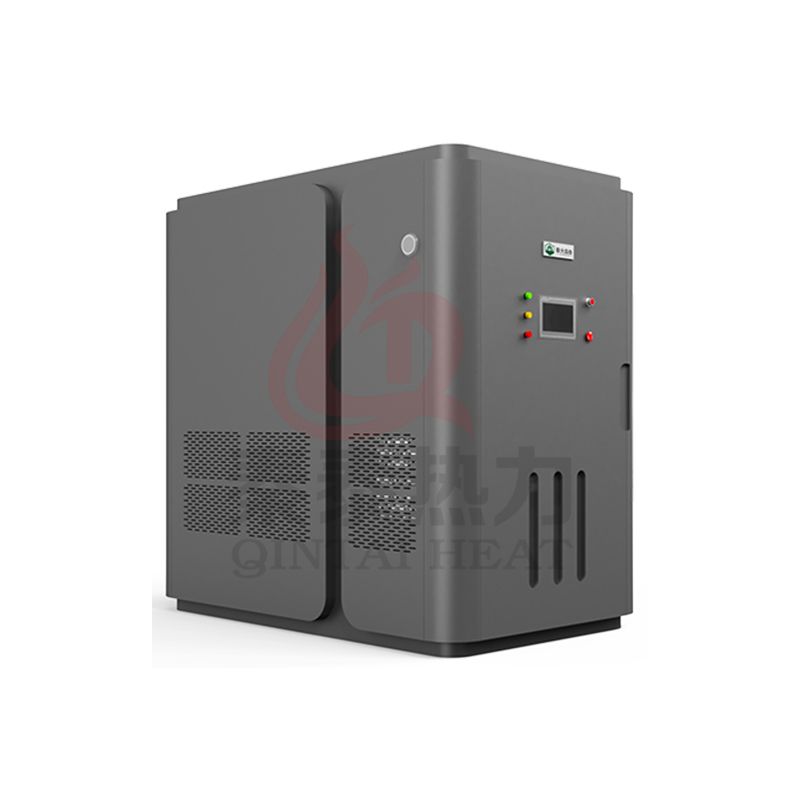
Gas-fired steam boilers offer several advantages that make them an excellent choice for most applications:
High Efficiency: Especially condensing types, which recover latent heat from exhaust gases.
Stable Steam Supply: Ensures consistent pressure for industrial processes.
Cost-Effective Operation: Natural gas is cheaper and burns cleaner than oil or coal.
Low Emissions: Environmentally friendly compared to other fossil fuels.
Compact Design: Modern units save floor space and simplify installation.
Reliable Automation: Intelligent controls improve safety and reduce operator workload.
Gas-fired steam boilers are widely used across industries, including:
Textile and Dyeing Plants – For drying, ironing, and steaming fabric.
Food and Beverage Processing – For sterilization, cooking, and cleaning.
Pharmaceuticals – Steam sterilization and temperature control.
Chemical Plants – Heating and reaction processes.
Hospitals and Schools – Central heating and hot water supply.
Power Generation – Driving turbines for electricity production.
To ensure long-term value and reliability:
Analyze your load requirements before selecting boiler capacity.
Compare multiple brands and models for efficiency, price, and warranty.
Choose reputable manufacturers with proven after-sales support.
Check spare parts availability to reduce downtime.
Invest in an automatic control system for better performance.
Schedule regular maintenance to ensure safety and efficiency.
Some trusted names in gas-fired steam boilers include:
Bosch
Miura
Cleaver-Brooks
Fulton
Babcock & Wilcox
Thermax
These manufacturers offer a wide range of energy-efficient and certified boilers suitable for different industrial needs.
Choosing the best gas-fired steam boiler requires a clear understanding of your heating demand, steam capacity, efficiency goals, and installation environment. A well-selected boiler not only provides consistent and safe steam but also helps reduce operational costs and environmental impact.
When in doubt, consult a professional boiler supplier or engineer to evaluate your requirements and recommend the most suitable model. With proper selection and maintenance, a gas-fired steam boiler can deliver years of reliable, efficient, and cost-effective service.
92 0 0
Join Us


Comments
All Comments ( 0 )